Aran Islands Shore Rest & Scenic Beaches
Accessible beach walks perfect for pensioners and those wanting a gentle pace. We've mapped out quiet coves with proper seating, shelter, and stunning views for unhurried coastal strolls along Aran's most welcoming shores.
Why Aran's Beaches Matter for Slower Travel
Not everyone comes to Aran to conquer cliffs. Some visitors want exactly what we're offering here — quiet beaches where you can sit, breathe, and watch the Atlantic without rushing anywhere. We've spent years finding the best spots for people who'd rather spend an afternoon on one beach than tick off five walking routes.
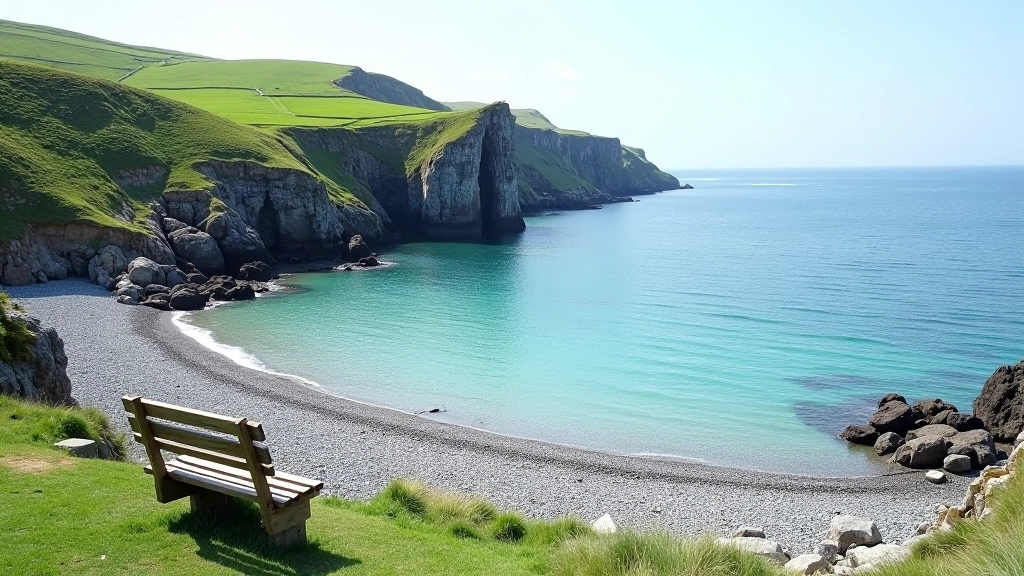
What makes these beaches special isn't dramatic scenery (though you'll get that). It's the practical stuff: safe access, proper benches that don't wobble, shelter from wind when you need it, and views that genuinely hold your attention for hours. You're not climbing ladders or scrambling over rocks to find them.
What You'll Find Here
- 5 accessible beaches mapped with exact access routes
- Seating locations and shelter spots identified
- Walking times and difficulty levels
- Seasonal conditions and best times to visit
The Five Best Beaches for Relaxed Visits
Each beach has its own character. Some face the open Atlantic, others sit in sheltered bays. We've listed them in order of accessibility — start with the easiest if you're new to Aran's terrain.
Killeany Beach (An Cill)
Access: 5-minute walk from village, mostly flat
This is where most visitors end up, and for good reason. The beach sits right below the village with a proper path down. You'll find sand mixed with small pebbles, a curved bay that feels protected, and two concrete benches halfway down. The walk back is gentle uphill but manageable.
Best for: First-time visitors, anyone wanting minimal walking
Oghil Beach (Port Chóill)
Access: 15-minute walk from village center, some uneven terrain
If Killeany feels crowded, Oghil offers a quieter alternative. It's narrower and rockier, with a dramatic cliff backdrop. The walk involves a few bumpy patches but nothing steep. There's a natural rock shelter on the left side if wind picks up — locals have used this spot for centuries.
Best for: People wanting solitude, photographers
Trá an Phort (Port Beach)
Access: 20-minute walk from middle village, mostly level
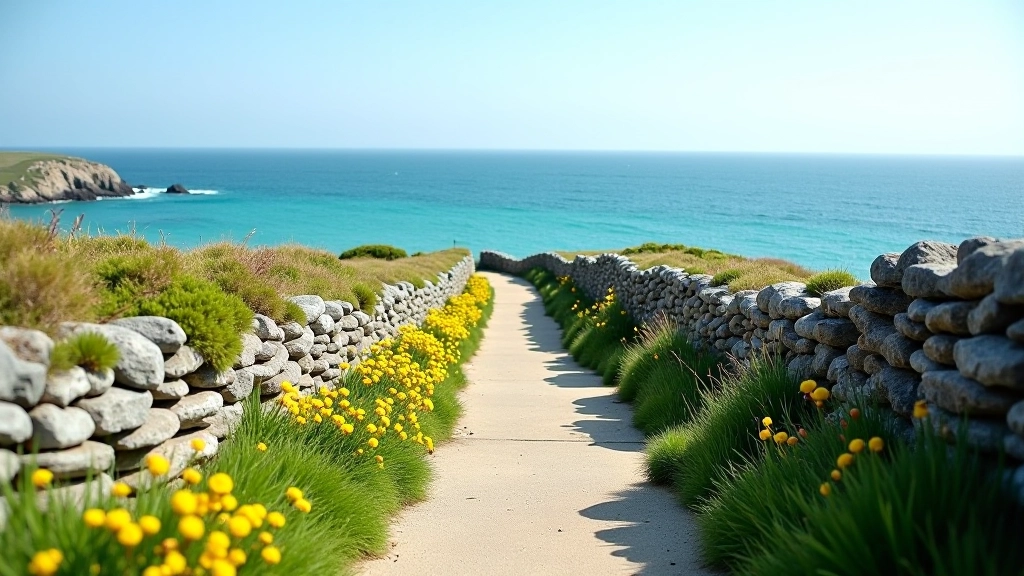
This beach sits on the calmer eastern side of the island, which means it's usually less windy. The walk follows an old stone wall most of the way, giving you something to hold if needed. You'll find pebbles and small sand patches. It's where locals bring families because the water's genuinely warmer here.
Best for: Avoiding wind, swimming (relatively speaking)
Cill Éanna Beach
Access: 10-minute walk from village, very easy path
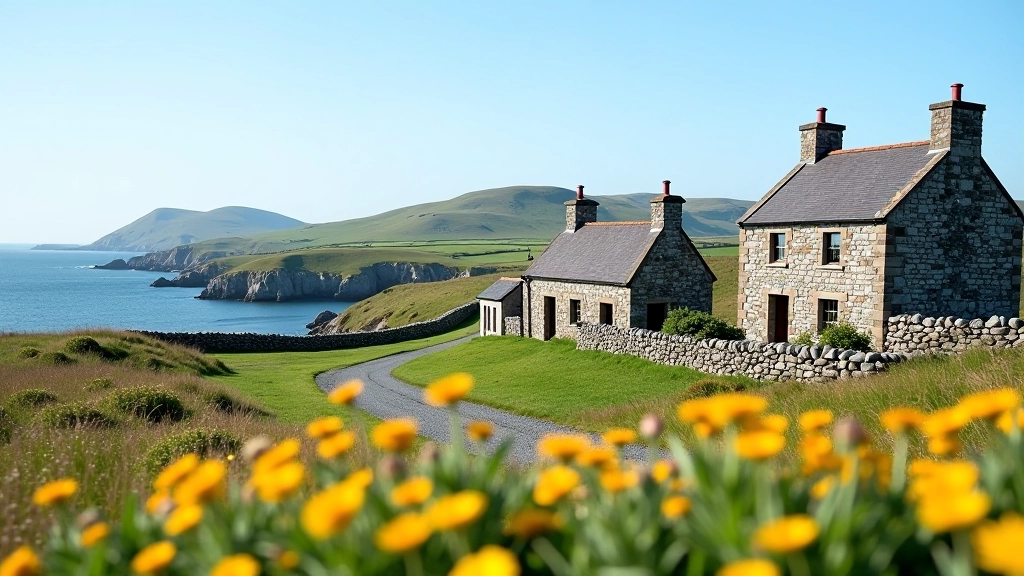
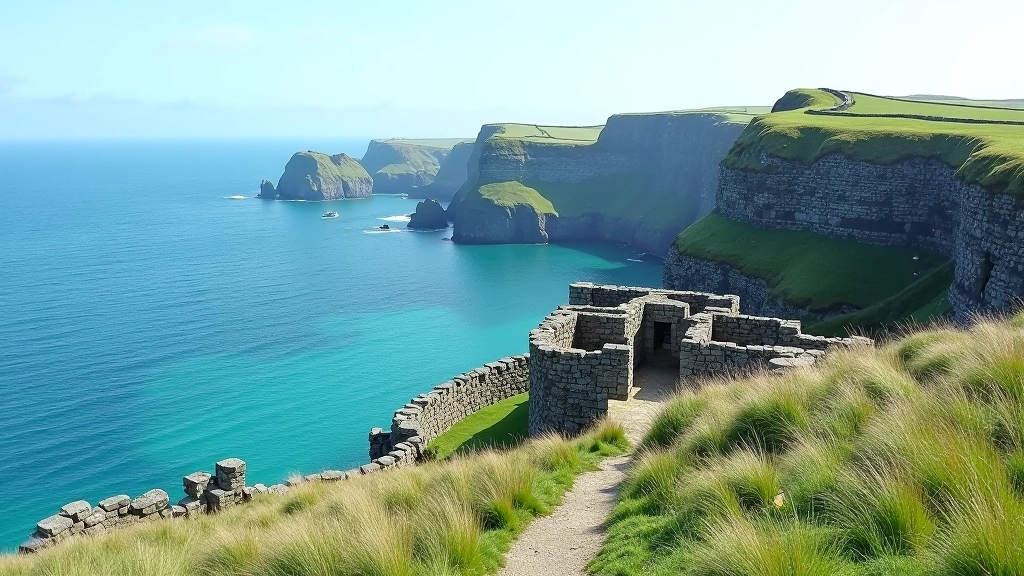
Named after the early Christian settlement nearby, this small sheltered cove combines history and relaxation. The path's well-maintained and mostly flat. You're surrounded by old stone walls and wild grass — very atmospheric. It's the kind of beach where an hour disappears without you noticing.
Best for: Photography, history lovers, quiet afternoons
Sceirín Beach (The Hidden Cove)
Access: 25-minute walk, involves a few steep sections
This one's for people with solid legs who want genuine solitude. The path climbs then drops steeply to a tiny pebble beach tucked between two rock faces. You'll feel like you've discovered something secret — because you have. There's a natural overhang that provides excellent shelter. Bring water; there's no refreshment nearby.
Best for: Adventurous visitors, those avoiding crowds
Making Beach Visits Comfortable
We're not going to pretend Aran beaches have changing facilities or cafés. They don't. What they have is character and genuine quiet. But you can still visit comfortably if you plan properly.
What to Bring
Waterproof jacket (wind's constant), proper walking shoes with grip (stones are slippery when wet), a cushion or folded jacket for seating on the ground, and water. The villages have small shops but closing times are unpredictable in shoulder season. It's worth buying supplies in Galway before catching the ferry.
Best Seasons
June through September offer the most reliable weather and longest daylight. That said, Aran's Atlantic position means even summer days can turn cloudy quickly. Spring (April-May) brings wildflowers but more wind. Autumn (September-October) offers clearer air and fewer visitors — perfect if you're not bothered by cooler temperatures.

Managing Aran's Weather
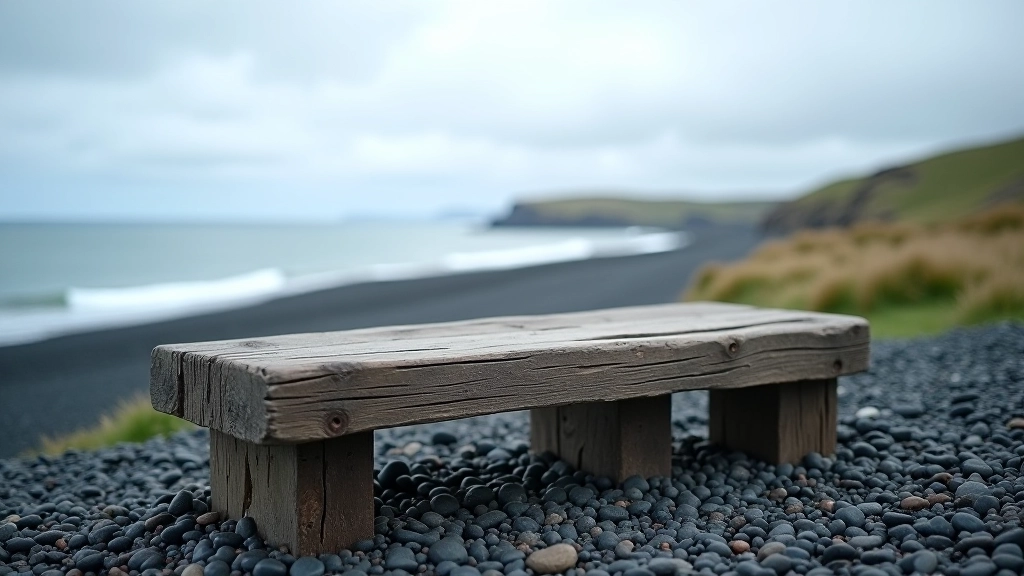
Aran sits 46 kilometers off the Irish coast, which means weather changes fast. You might have sun and calm water at 10am, then wind and spray by afternoon. That's not a problem — it's actually part of the appeal. Just plan around it.
Wind Patterns
The western beaches (Killeany, Oghil) catch Atlantic wind directly. If you're visiting on a windy day, head to Port Beach on the eastern side instead. It's consistently calmer. Beaches facing northeast provide shelter in afternoon westerlies. Locals watch the clouds — if they're moving fast from the west, it'll be blustery on the west coast.
Tides and Water Safety
Aran's tidal range is significant — about 3 meters between high and low tide. This means beaches that look spacious at low tide can get crowded at high tide. We recommend visiting around low tide (your guesthouse should have tide tables). Swimming isn't really safe here due to strong currents, but paddling at the water's edge is fine on calm days.
Practical Tips for Your Visit
Small things make the difference between a pleasant afternoon and an uncomfortable one. Here's what we've learned from years of beach visits.
1
Start Early
Head out by 10am. You'll have better light, fewer other visitors, and you'll be back in the village for lunch. Evening light's beautiful too, but the path gets shadowy after 5pm in summer.
2
Bring Two Layers
You'll warm up walking there. You'll cool down sitting still. A windproof layer that packs small solves this. Cotton absorbs wind; synthetic or wool dries quickly.
3
Respect the Stone Walls
These aren't decorations — they're property boundaries and livestock barriers. Stay on established paths. Don't climb on walls for photos; they're genuinely fragile.
4
Check Ferry Times First
You don't want to rush your beach time because you've got a ferry deadline. Plan your visit around ferry schedules, not the other way around. Ferries run fewer times in winter.
5
Ask Locals About Conditions
The person at your guesthouse knows what the weather's actually doing. They've watched the sky their whole lives. A five-minute conversation saves you from choosing a windy beach on a windy day.
6
Wear Proper Shoes
Trainers slip on wet stone. Sandals catch on uneven ground. Hiking boots with ankle support are genuinely the right choice here, not overkill. Your feet will thank you.
The Seasonal Guide
Aran's not a summer-only destination, though most visitors come then. Each season offers something different for beach walks.
Spring (April-May)
Wildflowers bloom on the cliffs above beaches. The light's incredible. But it's windy and unpredictable — you might get a perfect day followed by weather that keeps you indoors. Ferry schedules are limited. Go if you don't mind carrying weather-appropriate gear for any possibility.
Summer (June-August)
Peak season for obvious reasons. The island's busy, ferries run multiple times daily, and you'll likely have other people on the beaches. But daylight lasts until 10pm, the water's as warm as it gets, and weather's most reliable. Book accommodation months ahead.
Autumn (September-October)
We think this is genuinely the best time. Weather's often better than summer, visitor numbers drop significantly, and the light turns golden. The water's still swimmable (barely). Ferries still run regularly. If you're flexible on dates, come now.
Winter (November-March)
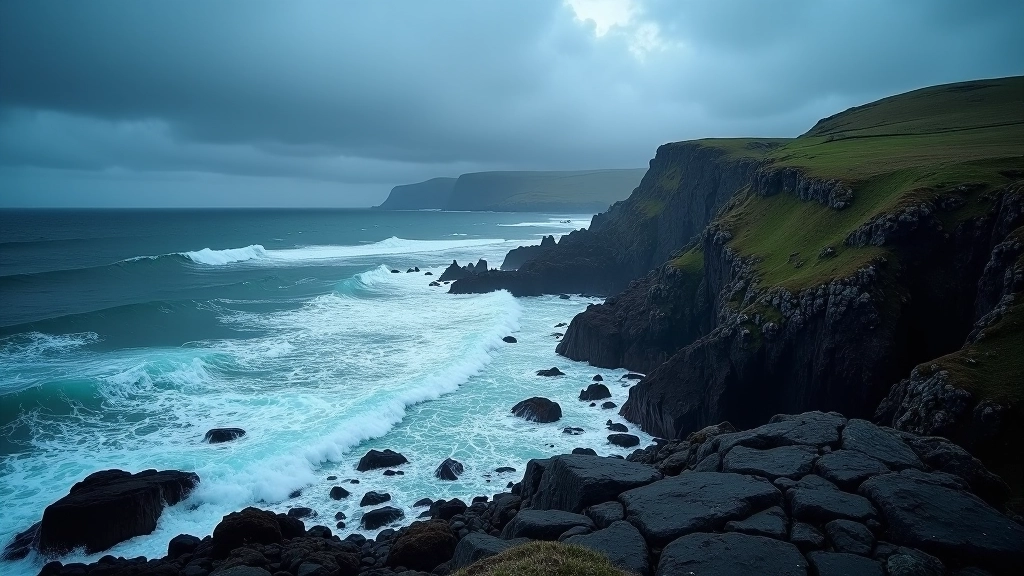
Aran gets serious Atlantic storms. Beaches can be inaccessible for days. But if you catch a calm day, you'll have beaches entirely to yourself. The light's dramatic, waves are massive, and it feels genuinely remote. Ferry schedules are minimal; check ahead. For experienced coastal walkers only.

Important Information
The information in this guide is for educational purposes and based on current conditions as of June 2026. Weather, access routes, and local conditions can change significantly. Always check current ferry schedules with Aran Islands Ferries before planning your visit. Weather conditions change rapidly on the Atlantic — consult local sources (your guesthouse, tourism office, or weather services) before heading out. Walking routes and beach accessibility depend on tidal conditions and recent weather. If you have mobility concerns, discuss your specific needs with your accommodation provider — they'll know current path conditions better than any online guide.