
Discover Aran Islands at Your Own Pace
Gentle cliff-top walks, stone fort panoramas, and peaceful beach rests designed for pensioners and everyone seeking unhurried exploration
Why These Walks Work for Everyone
We've designed routes that don't sacrifice beauty for accessibility
Clear Navigation
Each route is marked with stone cairns and clear signage. You won't get lost, and you can turn back anytime without feeling rushed.
Multiple Rest Points
Benches, natural rock seats, and shelter areas are positioned every 15-20 minutes of walking. Sit, rest, soak in the views. No pressure to keep moving.
Gradual Terrain
Most walks use existing paths with gentle slopes. We've avoided steep climbs and treacherous terrain — you get the drama without the danger.
Local Knowledge
Routes developed with locals who've walked these paths for decades. We know where the best views are and where the quietest spots hide.
What Makes Aran Islands Special
- Ancient stone forts with stories stretching back 2000 years
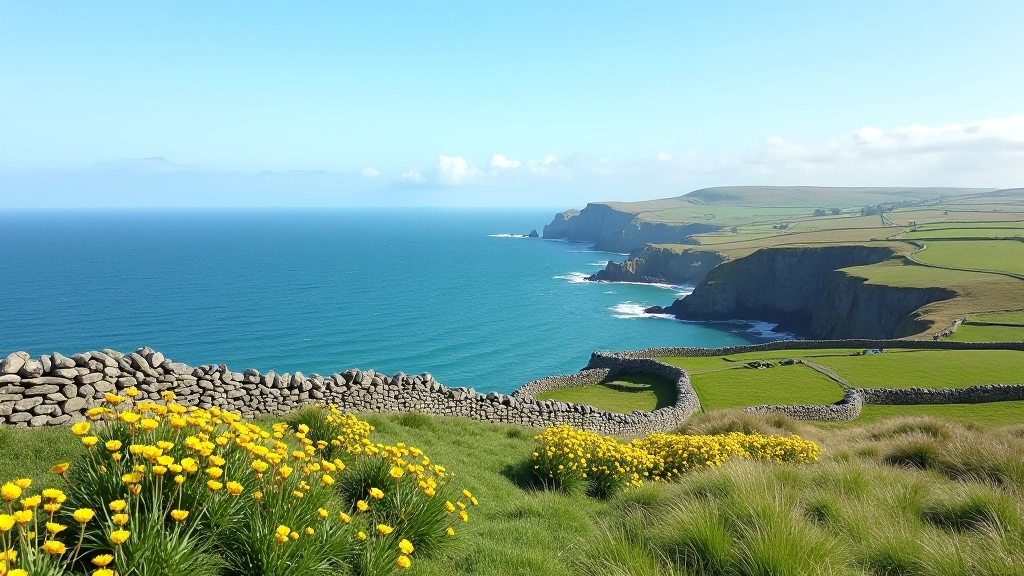
- Dramatic Atlantic cliffs towering 200+ meters above the ocean
- Quiet beaches and hidden coves away from tourist crowds
- Authentic island life — small villages, traditional crafts, local cafés
- Wildflowers and seabirds that make every season feel new
- No cars on most routes — just you, the paths, and the islands
How to Plan Your Visit
Simple steps to get the most from your Aran Islands experience
Choose Your Route
Pick from our 7 mapped walks. Some focus on history, others on nature or coastal scenery. Read descriptions and see what calls to you.
Check the Weather
Atlantic weather changes fast. We recommend visiting May through September for most stable conditions. Bring layers — it's always windier on the cliffs.
Get the Details
Download our walk guides with maps, rest point locations, difficulty ratings, and what to bring. Everything you need in your pocket.
Take Your Time
No rush. Stop for as long as you want. Bring a book, sketch the views, watch the seabirds. These walks are meant to be savored, not rushed.
A Brief History of Aran
Thousands of years compressed into a few key moments
First settlements appear. Stone tools and pottery shards suggest people have been living here for at least 3500 years.
Saint Enda founds a monastery. Christianity spreads. The islands become a center for learning and faith.
Dún Aonghasa stone fort is at its peak. Warriors and families live behind massive stone walls. Life is harsh but proud.
Extreme poverty drives mass emigration. Families leave for America. But some stay. The islands endure.
Tourism brings new life. Traditional crafts are revived. The islands balance modern visitors with ancient heritage.
What You'll Experience
More than just walking — these visits change how you see things
Unforgettable Views
Nature & Wildlife
Local Stories
Peace & Space
Photography Gold
Memories Made
Common Questions
We've answered what most visitors ask before coming to Aran
How do I get to Aran Islands?
Ferry service runs from Doolin, Galway, and Rossaveal on the mainland. Journey takes 40 minutes to 1.5 hours depending on departure point. We recommend the Galway ferry for best schedule and weather reliability.
What's the best time to visit?
May through September offers warmest weather and clearest views. Spring (April-May) brings wildflowers. Autumn (September-October) has fewer crowds. Winter is dramatic but windy — only for hardy explorers.
Are the walks really suitable for older people?
Yes — if you choose the right route. Our "gentle approach" walks are designed specifically for pensioners. Shorter routes average 3-5 km with plenty of rest stops. You set the pace entirely.
Do I need special hiking boots?
Comfortable walking shoes with good grip work fine for most routes. The terrain isn't technical. Avoid smooth-soled shoes on wet grass. Waterproof jackets are essential — weather changes quickly.
Can I bring my partner or family?
Absolutely. Our walks work for mixed-age groups. Younger walkers can go faster and explore further while others take the gentle route. Everyone enjoys the same stunning scenery.
Where can I stay overnight?
Each island has guesthouses, B&Bs, and hotels. Book ahead in summer. Many visitors stay on the mainland in Galway or Doolin and ferry over for the day. One night on the islands feels like stepping back in time.
Featured Walk Routes
Start with these three — they're our most loved by visitors
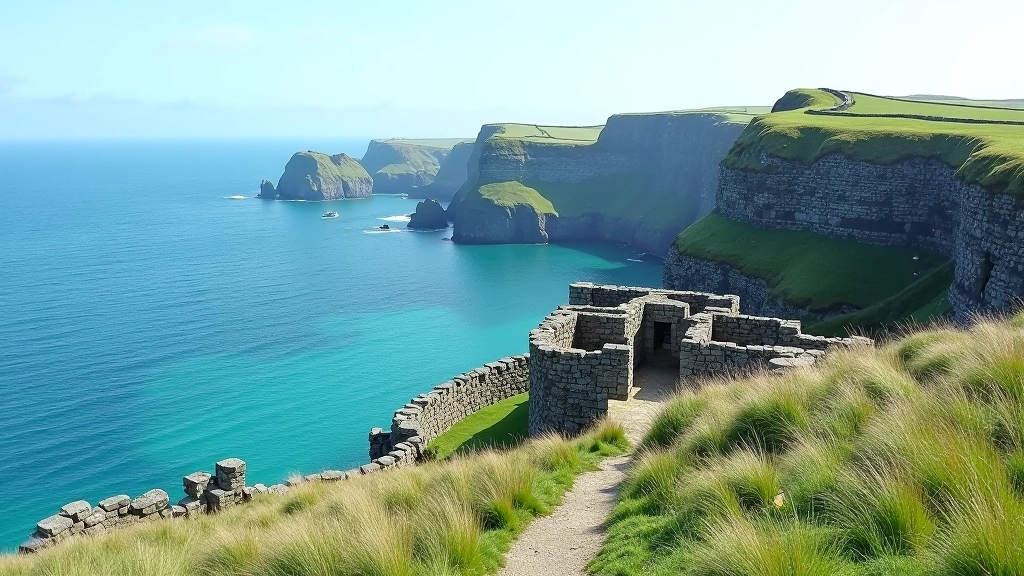
Dún Aonghasa Stone Fort Panorama Walk
The iconic clifftop fort offers stunning 360-degree views. This moderate walk takes you through ancient stone walls and coastal paths with proper rest areas.
Read Full Guide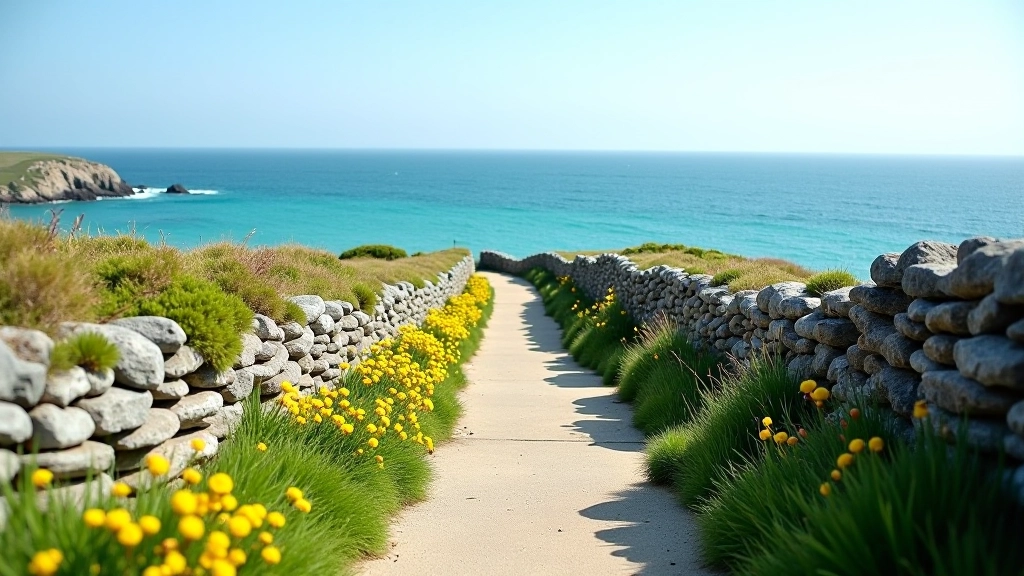
Gentle Approach Path to Dún Aonghasa
Don't want a strenuous hike? This gradual approach route lets you reach the fort at your own pace with multiple resting points along the way.
Read Full Guide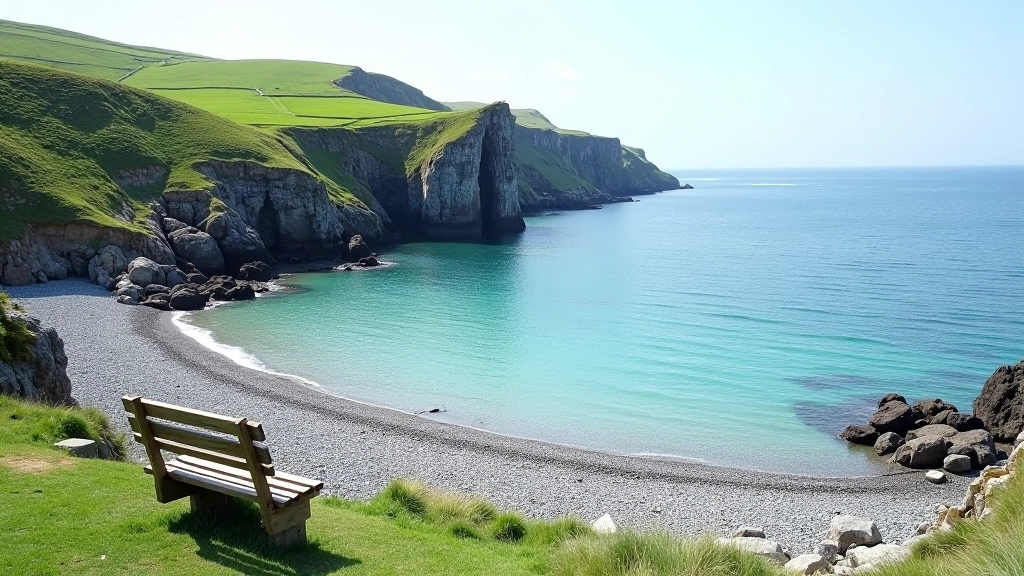
Aran Islands Shore Rest & Scenic Beaches
Accessible beach walks perfect for pensioners. We've mapped out quiet coves with proper seating, shelter, and stunning views for unhurried coastal strolls.
Read Full GuideStories from Visitors
Real feedback from real people who've walked these paths
"We weren't sure about hiking at our age, honestly. But the gentle path was perfect — we could stop whenever we wanted. Took us three hours to do what younger people might do in ninety minutes. Didn't matter. The views from the top made every step worth it."
"I'd walked those cliffs forty years ago as a young man. Coming back was emotional — things had changed, but the magic was still there. My grandkids loved it too. Three generations on one path. That's special."
"The beach walk description said it was gentle. I was skeptical — I've got bad knees. But it really was just a stroll along the shore. Sat on the bench they mentioned, sketched for an hour, watched the light change. Nobody rushing me."
Ready to Explore Aran?
Download our detailed walk guides, get tips for visiting, or ask us anything about the routes. We're here to help you plan the perfect island experience.