Dún Aonghasa Stone Fort Panorama Walk
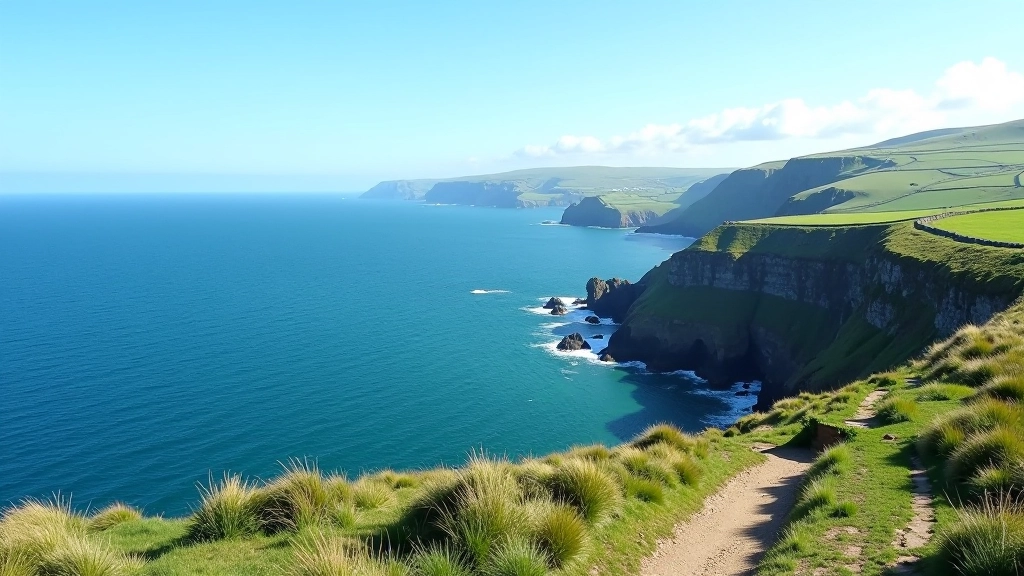
The iconic clifftop fort offers stunning 360-degree views across the Atlantic. This moderate walk takes you through ancient stone walls and coastal paths with proper rest areas.
Why Dún Aonghasa Matters
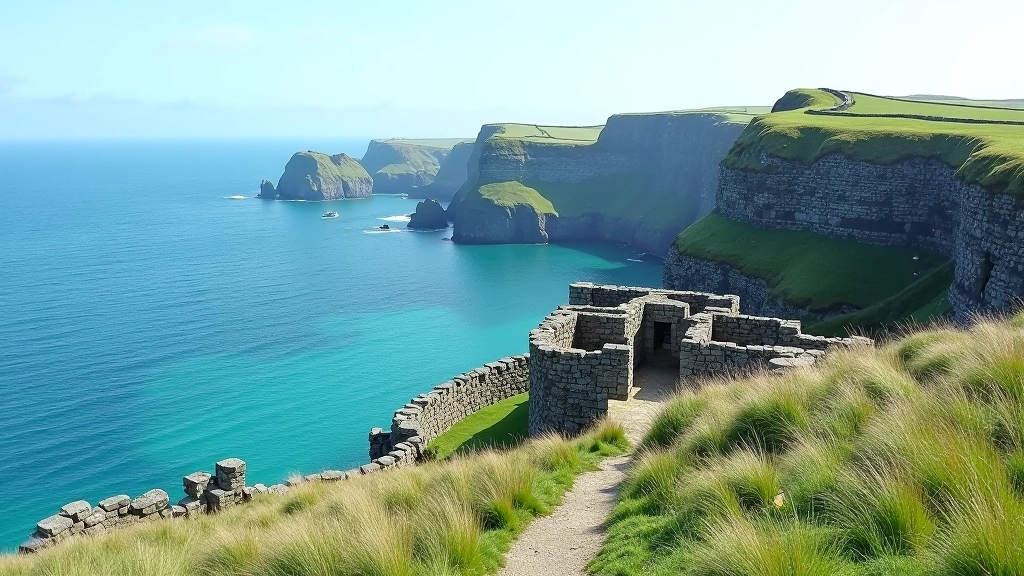
Dún Aonghasa isn't just another archaeological site — it's a 2,500-year-old fortress that'll take your breath away. Standing on those ramparts, you're literally looking at the edge of the known world from an Iron Age perspective. The fort's three concentric stone walls remain largely intact, and the views stretch across the Atlantic to the Twelve Bens mountains on clear days.
What makes this walk special is the balance it strikes. You're not scrambling over terrain or pushing yourself to exhaustion. Instead, you're moving through history at a measured pace, with designated rest spots where you can catch your breath and soak in the landscape. The path's well-maintained, the views are extraordinary, and you'll genuinely feel like you've accomplished something meaningful.
The Route Breakdown
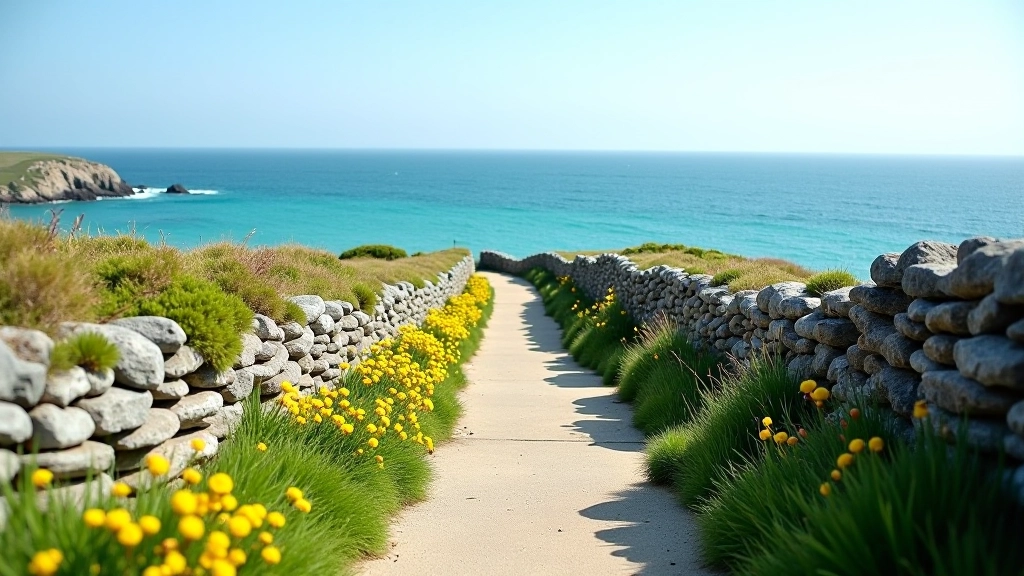
The walk starts from the car park near the village and winds gradually upward through traditional stone-walled fields. You're not climbing steeply — the gradient's gentle enough that most people don't feel rushed. It's about 1.2 kilometers to the fort entrance, taking roughly 25-30 minutes at a comfortable pace.
Key Stats
- Total distance: 2.4km round trip
- Elevation gain: 90 meters
- Walking time: 1.5-2 hours including rest breaks
- Best seasons: May through September
Once you reach the fort's outer walls, you've got options. You can explore the ramparts at your own pace, sit at one of the designated viewing areas, or venture inside the fortress itself. There's a small visitor center near the entrance with facilities — genuinely helpful if you need a break or a cup of tea before heading back.
What You'll Actually Experience
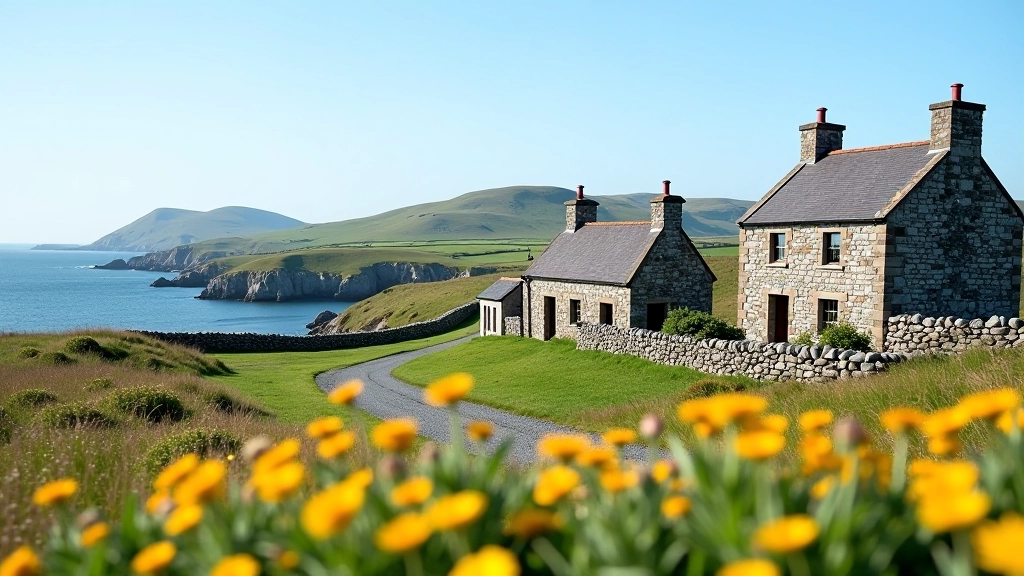
The approach path itself is interesting. You're walking through traditional Irish landscape — stone walls separating fields, native wildflowers depending on the season, and the occasional local who knows the area's history. Don't rush. There's no competition here, and the slower you move, the more you'll notice.
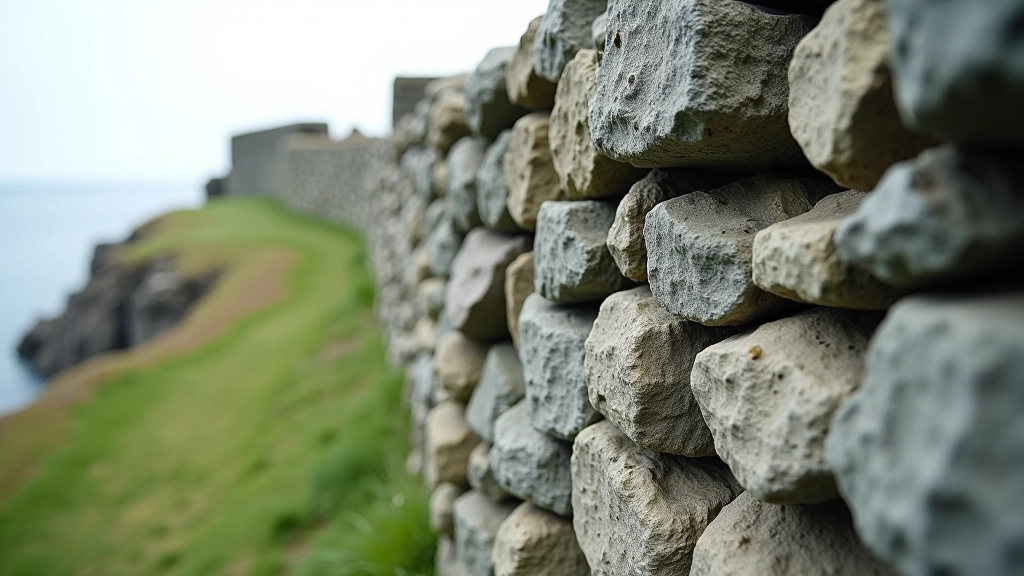
Inside the fort, you're walking between walls that have stood for millennia. The outer wall's about 4 meters high in places, and you can trace the fort's three defensive lines clearly. The wind's often strong up there — it's not a sheltered spot — so dress in layers and you'll be comfortable even if conditions look threatening from below.
The central area gives you 360-degree views. On clear days you'll see the Twelve Bens, Galway Bay, and the full curve of the Atlantic. You'll also spot Clare Island to the south and, if visibility's exceptional, the Aran Islands' neighboring islands. Most people spend 45 minutes to an hour at the top, wandering around and just absorbing the landscape. It's genuinely restorative.
Practical Information You'll Need
Getting There
Dún Aonghasa sits on Inishmore, the largest Aran Island. You'll need to take a ferry from Doolin or Rossaveal on the mainland — about 40-60 minutes depending on weather and which ferry company you use. Once on the island, the car park's clearly signposted. Alternatively, rent a bike locally and cycle the scenic route (it's flat and easy).
Weather Considerations
Atlantic weather changes quickly. You might leave the village in sunshine and arrive at the fort in mist. That's normal. Bring a windproof jacket regardless of the forecast — wind on the cliff edge is constant. Waterproof trousers are genuinely useful, not just paranoid. Boots with good grip matter because the stone paths get slippery after rain.
Rest & Facilities
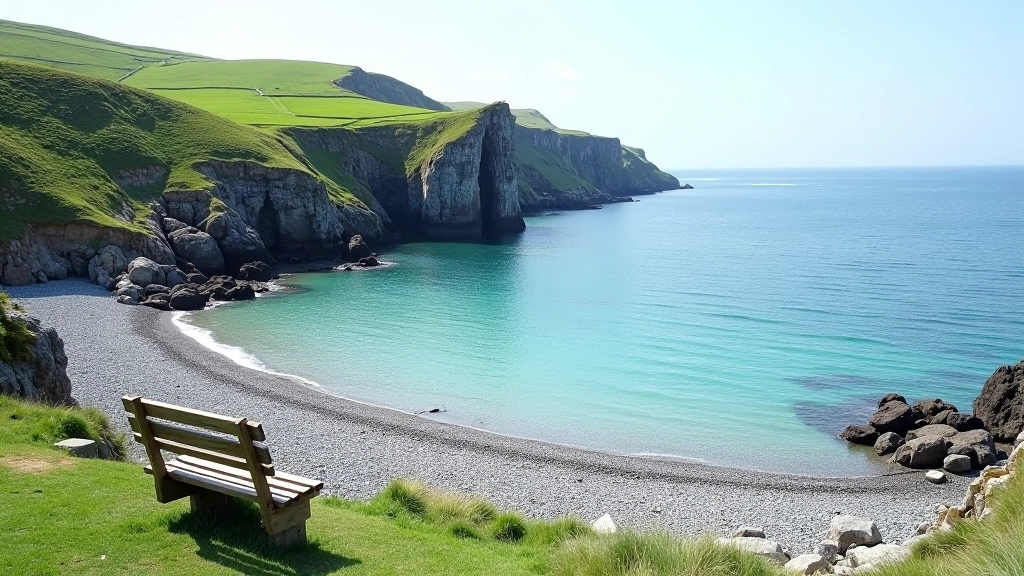
There's a visitor center at the fort entrance with toilets, a café, and a small museum. Not fancy, but genuinely helpful. Bring water — you'll want it. There are no water taps on the path itself, so fill your bottle before you start. The designated rest areas have benches and offer shelter from wind.
Best Times to Visit
May through September offers the most reliable weather and longest daylight hours. June and July are busiest — if you prefer fewer people, aim for May, September, or early October. Spring brings wildflowers. Autumn offers crisp air and stunning light. Winter's doable but the ferry's less frequent and conditions are harsher.
Important Safety Information
This guide is informational only. While Dún Aonghasa is a well-maintained and regularly visited site, it's an archaeological monument with exposed cliff edges and uneven ground. Weather conditions on the Atlantic islands change rapidly. Always check current conditions before visiting, wear appropriate footwear and clothing, and supervise children closely. If you have mobility concerns or medical conditions, consider consulting with your doctor before attempting this walk. The site can be crowded during peak season, which may affect your experience.
Why This Walk Stays With You
You don't need to be an archaeology enthusiast to appreciate Dún Aonghasa. You're standing in a place where people have stood for 2,500 years, looking at essentially the same view they did. The fort was built as a stronghold, yes, but it's also a vantage point — a place where you get perspective.
The walk's moderate difficulty means you're not exhausted when you arrive, so you can actually absorb what you're seeing. You'll have energy to explore, to sit quietly for a bit, to take photographs that probably won't capture the light the way your eyes do. That's the real value here — not the hiking difficulty or the achievement of reaching the top, but the time you spend in a genuinely remarkable place without feeling rushed.
If you're considering this walk, you're already interested in more than just exercise. You want to see something that matters, to understand a bit of Irish history, to stand somewhere that's been important for millennia. That's exactly what this walk delivers. It's worth the ferry trip, the weather gamble, and the time away from your usual routine. You'll understand why once you're standing up there, looking out across the Atlantic.