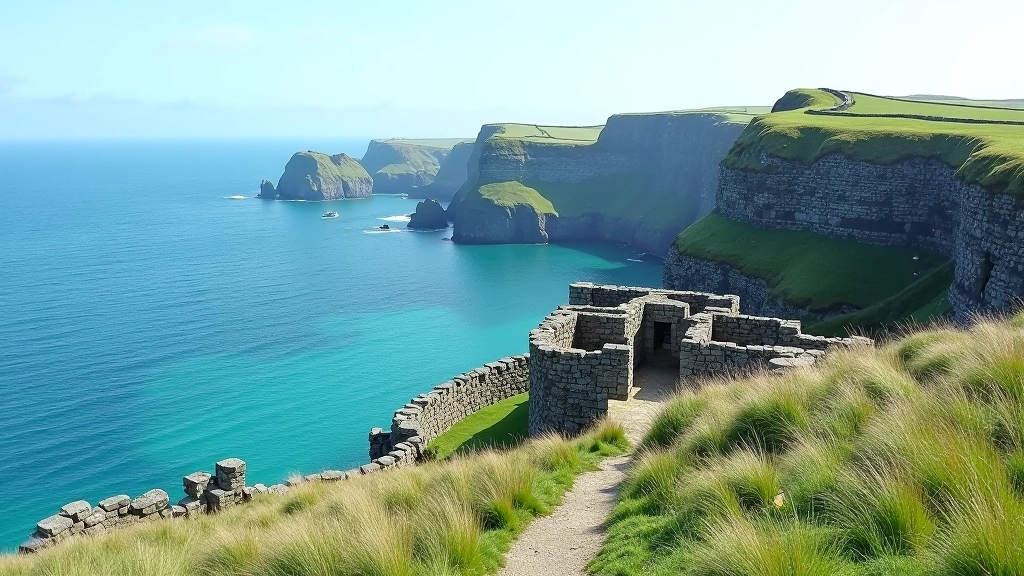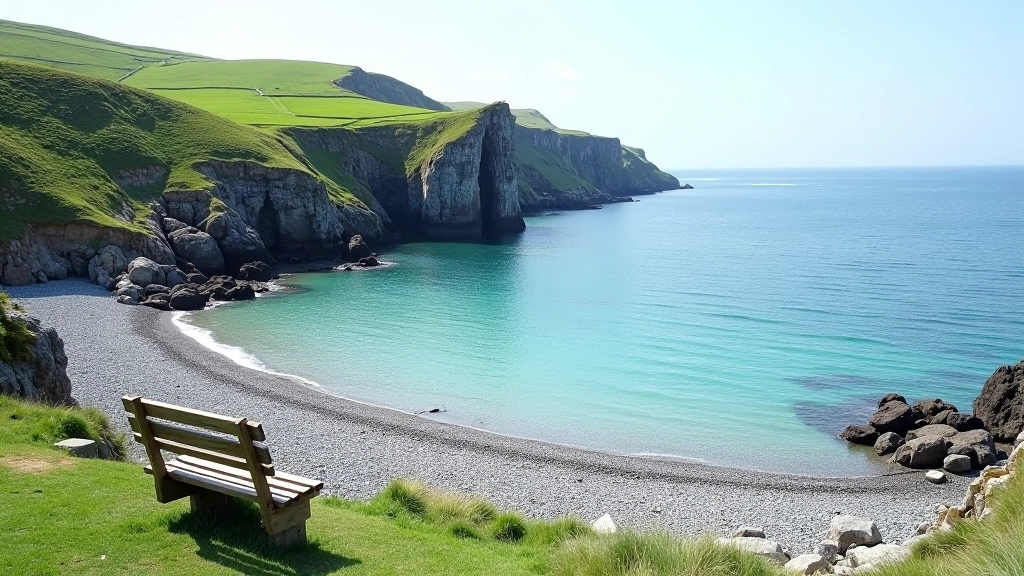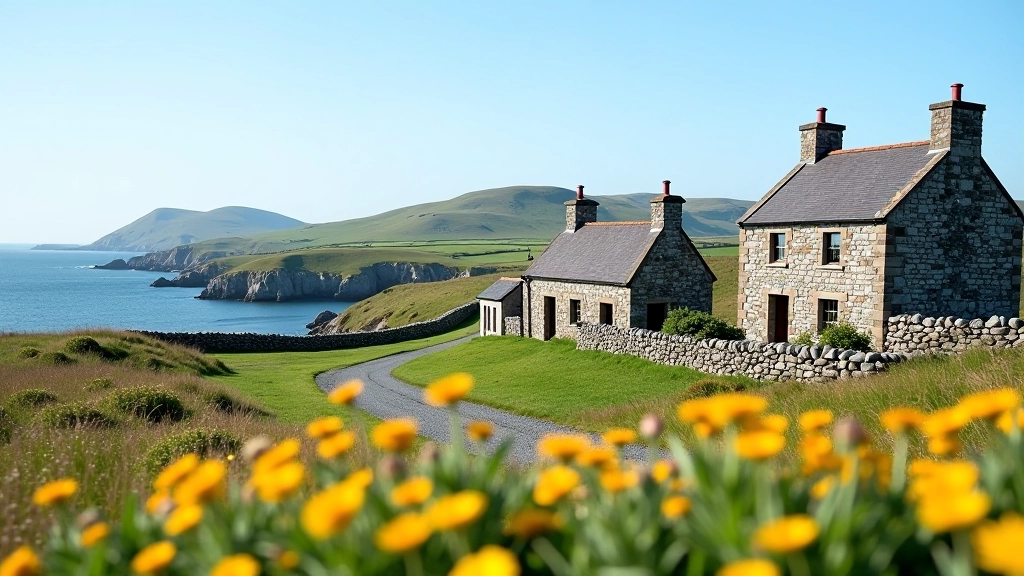
Gentle Approach Path to Dún Aonghasa
Don't want a strenuous hike? This gradual approach route lets you reach the fort at your own pace with multiple resting points along the way. Perfect for anyone who wants stunning views without the steep climbs.
Why Choose the Gentle Approach?
We're talking about a different way to experience Dún Aonghasa. The main tourist path is steep and relentless — you're climbing about 100 meters of elevation in roughly 1.5 kilometers. Not everyone's cup of tea.
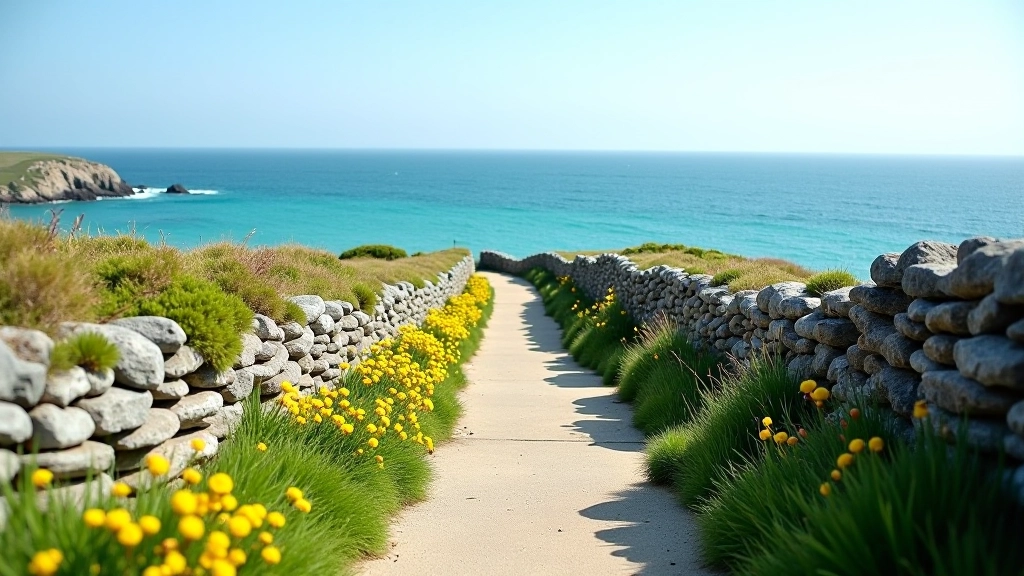
The gentle approach winds through the quieter western side of the island. It's longer, sure, but the gradient feels almost leisurely. You'll pass through traditional stone-walled fields, spot wildflowers depending on the season, and arrive at the fort feeling like you've actually enjoyed the journey instead of just endured it.
The Route Breakdown
Start at the small car park near Killeany village. You'll see a signpost pointing toward "Dún Aonghasa - Scenic Route." That's your marker. The path is well-maintained with plenty of local stone walls guiding you. Don't worry about getting lost — islanders have been walking this for generations.
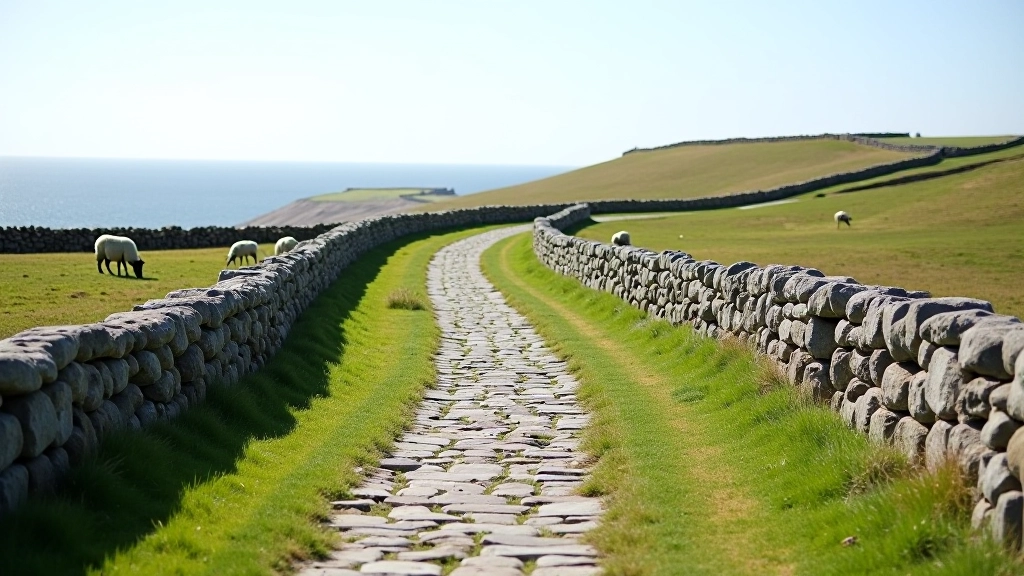
The first 800 meters are almost flat. You're walking through farmland where locals graze sheep. You'll see traditional stone walls on both sides — some dating back centuries. Around the 30-minute mark, you'll reach the first proper rest point. There's a small stone shelter here that's absolutely perfect if the weather turns.
From here, the path gradually climbs. And we mean gradually. The incline never gets steep. You're looking at a comfortable pace where you can actually chat with whoever's walking with you. By the time you reach the fort gates, you'll have been walking for about 75 minutes, but it won't feel rushed.
Rest Points Along the Way
This is what makes the gentle approach genuinely different. You've got built-in places to stop and catch your breath without feeling like you're falling behind.
Stone Shelter at 800m
Small traditional shelter with a bench. Great views back toward Killeany. Spend 10 minutes here and you'll feel refreshed.
Old Stone Wall Bench at 1.4km
A flat section where you can sit on the wall. This is roughly halfway. Ocean views start opening up here — worth pausing just for the scenery.
Grassy Viewpoint at 2.1km
Wide open space with grass. You can see the fort from here — first proper glimpse. Psychologically helpful when you're getting tired.
Final Push at 2.6km
Short final section. Steeper than before but you're nearly there. The fort looms closer. This is where adrenaline kicks in.
What You'll Need
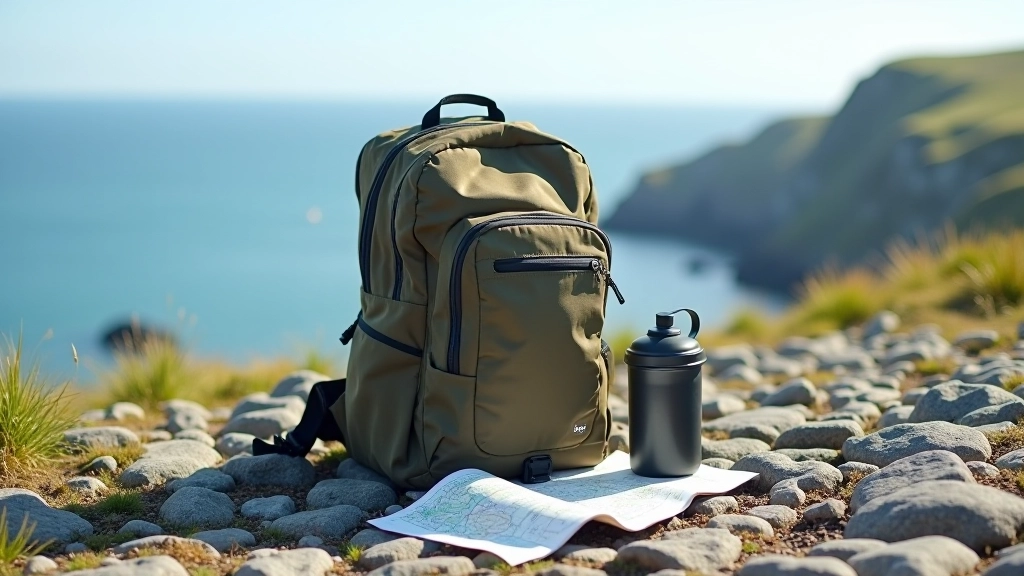
Even though it's gentle, you're still walking on an island where weather changes fast. Come prepared.
Once You're at the Fort
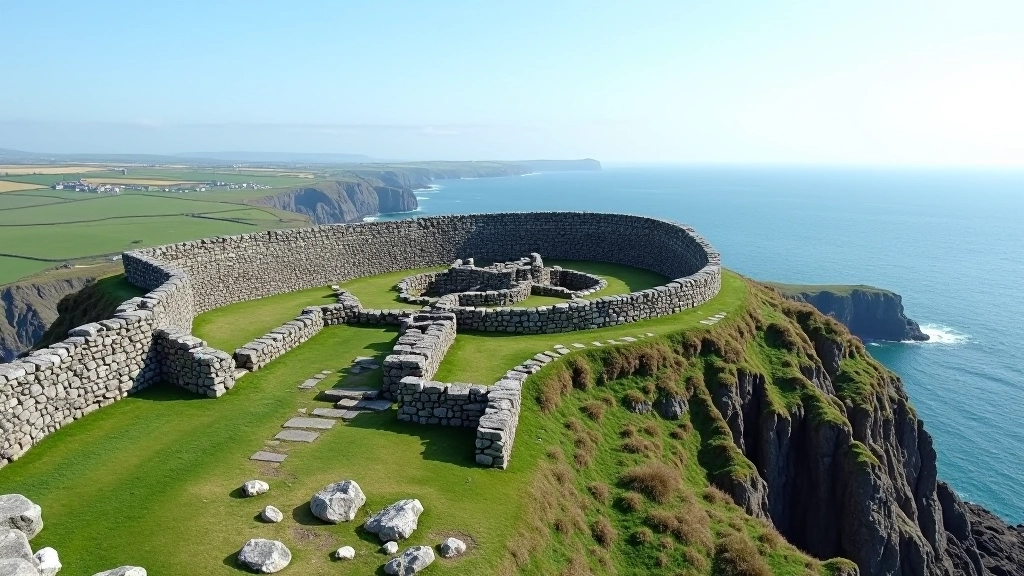
Dún Aonghasa isn't just a climb destination — it's genuinely worth time to explore. You're standing inside stone walls built around 1100 BCE. That's 3,000 years of history beneath your feet.
The interior is spacious. You can walk the full circuit inside the walls in about 20 minutes. The views are panoramic — you'll see Galway Bay, the Twelve Bens mountains, and on clear days, the Aran Islands' neighboring isles. It's genuinely spectacular.
There's a small visitor center at the entrance with basic facilities. Not fancy, but functional. Grab a tea or coffee before heading down. Trust us, you'll appreciate the rest.
The descent via the gentle route takes about the same time as the ascent — sometimes slightly quicker because you're going downhill. Just be careful on loose sections. It's not steep, but loose stones can surprise you.
When to Walk This Route
Spring (March-May)
Wildflowers start appearing. The paths dry out after winter rain. Still cool in the mornings but temperature builds through the day. Wind can be unpredictable.
Summer (June-August)
The absolute best. Longest daylight means you can start later if you want. Tourist season is peak, so expect company. Warmest temperatures and generally most stable weather.
Autumn (September-November)
Fewer tourists. Golden light in September and October. Paths can get boggy with autumn rains. November gets proper stormy — plan carefully.
Winter (December-February)
Quietest season. Harsh winds and frequent rain. Paths can be slippery. Not recommended unless you're experienced and weather is genuinely clear.
Is This Accessible for Everyone?
We're not going to pretend this walk is flat. It isn't. But it's genuinely one of the most accessible routes to Dún Aonghasa on the island.
For older walkers or anyone with mobility considerations, this is the route to choose. The gentle gradient means you can set your own pace without feeling rushed. The rest points aren't just nice to have — they're essential stops where you can properly sit and recover.
Parents with young kids find this works well too. The distance isn't brutal and you're not fighting against your body the entire time. Prams won't work on the uneven sections, but older children manage fine with proper shoes.
People with joint issues should expect some discomfort on the descent — gravity works against you on downhill sections. Take your time. Use walking poles if you have them. And honestly, there's zero shame in stopping at any rest point for as long as you need.
Important Information
This guide is informational and based on current conditions as of June 2026. Weather, path conditions, and local access policies can change. Always check current conditions before visiting. If you have mobility concerns, joint problems, or health conditions, consult with your doctor before undertaking any walking route. The Aran Islands are exposed to Atlantic weather — conditions can shift rapidly. Proper preparation and appropriate footwear are essential for safe travel on any of these routes.
The Real Value
The gentle approach to Dún Aonghasa isn't the fastest way up. It's the most enjoyable. You arrive at the fort having actually experienced the landscape instead of just surviving a climb.
You've walked through traditional farmland. You've sat at multiple viewpoints and let your eyes adjust to the scale of what you're seeing. You've taken breaks when your body needed them, not when some fitness app tells you to. And you've reached one of Ireland's most significant archaeological sites on your own terms.
That's genuinely the best way to do this.